Mindful Balance Logo Mindful Balance Contact Us
Contact Us
Woman sitting in peaceful meditation posture with eyes closed in a bright, minimalist studio environment
12 min read Beginner April 2026

Meditation Techniques for Stress Relief: Finding What Works for You

Explore different meditation styles from guided visualization to body scans. Learn which approach suits your lifestyle and how to establish a sustainable practice.

Margaret Wong, mindfulness coach and emotional intelligence expert

Author

Margaret Wong

Director of Programs & Senior Mindfulness Coach

Emotional intelligence coach and mindfulness instructor with 16 years of experience designing evidence-based programs for Hong Kong organizations.

Why Meditation Isn’t One-Size-Fits-All

There’s no single “right” way to meditate. What works for your friend might feel awkward for you. That’s not a failure—it’s just how people work. Some of us need silence. Others focus better with gentle guidance. Some prefer movement while meditating. Some sit completely still.

The good news? You don’t need years of practice to feel benefits. Most people notice changes in how they handle stress within 2-3 weeks of regular practice. You’ll start sleeping better, feel less reactive to small frustrations, and actually catch yourself before spiraling into worry. The key is finding the technique that clicks for you—and sticking with it long enough to build the habit.

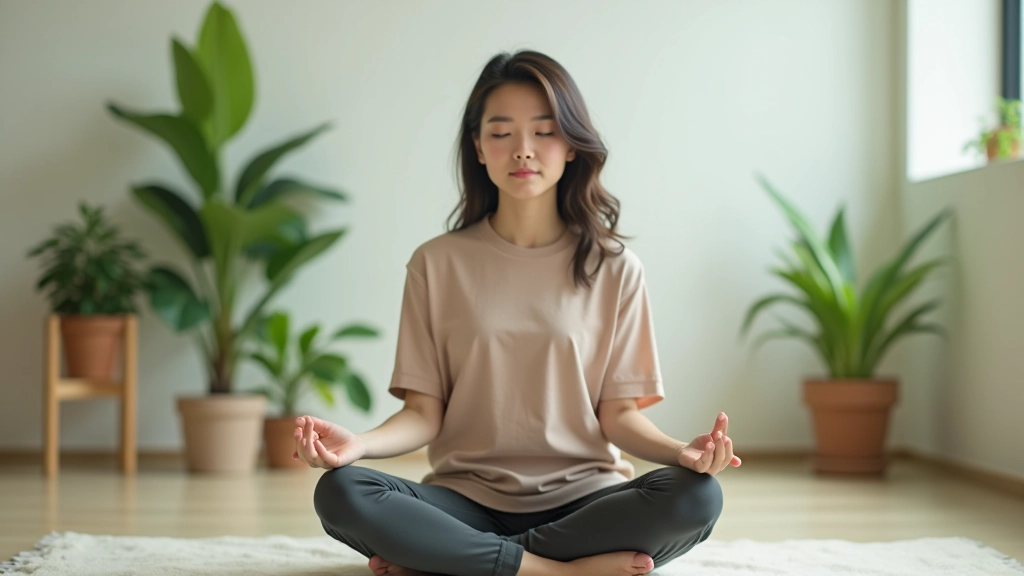
Close-up of a person in comfortable clothing sitting peacefully in a bright, serene room with soft natural lighting and indoor plants
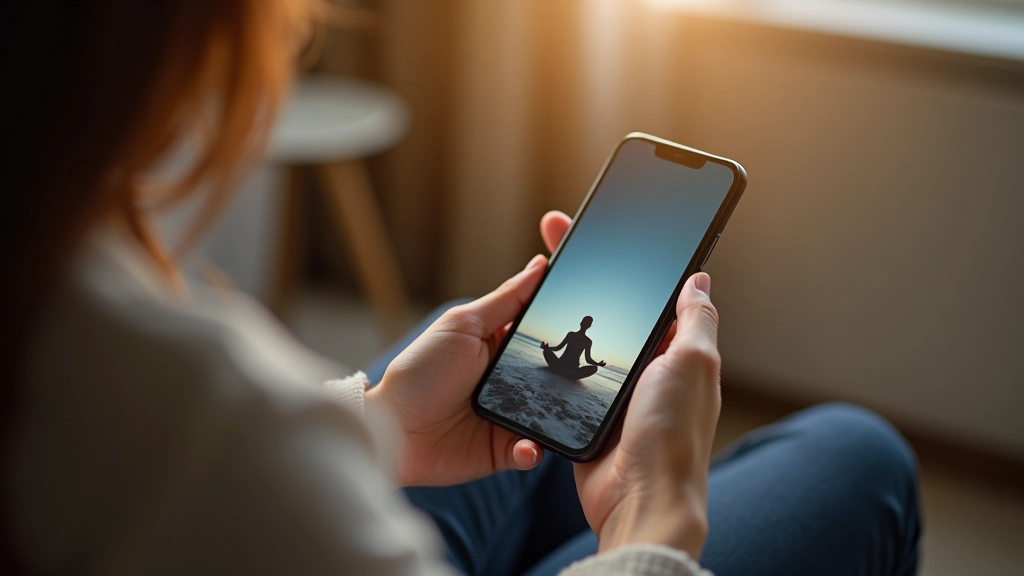
Person using a meditation app on smartphone while sitting on a comfortable couch in a naturally lit home environment

Guided Meditation: The Easiest Starting Point

If you’re new to meditation, guided sessions are honestly your best bet. Someone talks you through the entire practice—what to focus on, how to breathe, where to direct your attention. You’re not sitting there wondering if you’re doing it right.

Guided meditations come in different flavors. Body scan meditations take about 15-20 minutes and work through each part of your body, releasing tension. Visualization meditations ask you to imagine peaceful scenes—a beach, forest, anywhere that feels calming. Loving-kindness meditations focus on generating compassion for yourself and others. They’re straightforward and don’t require any special knowledge.

Apps like Calm and Headspace offer thousands of options. YouTube has free guided meditations from instructors like Yoga with Adriene. The length varies—you’ll find everything from 5-minute quick sessions to 45-minute deep practices. Start with 10 minutes. That’s enough time to feel the shift without feeling like a huge commitment.

Mindfulness Meditation: Observing Without Judgment

This one’s different. You’re not trying to achieve anything or reach some peaceful state. You’re just sitting and noticing. Thoughts come, emotions arise, sensations happen. You watch them like clouds passing through the sky. They don’t stick around—you don’t grab them or push them away.

The practice trains your brain to stop getting tangled up in every thought. In real life, that means you notice stress coming but don’t immediately react. You see anxiety rising and think, “Okay, there’s that feeling again”—without letting it take over. This skill alone changes how you handle difficult situations.

Mindfulness meditation has serious research behind it. Studies show it reduces anxiety, improves focus, and helps with depression symptoms. Unlike guided meditations, there’s no voice directing you. You pick a focus point—usually your breath—and gently bring your attention back whenever your mind wanders. Five to ten minutes is fine to start.

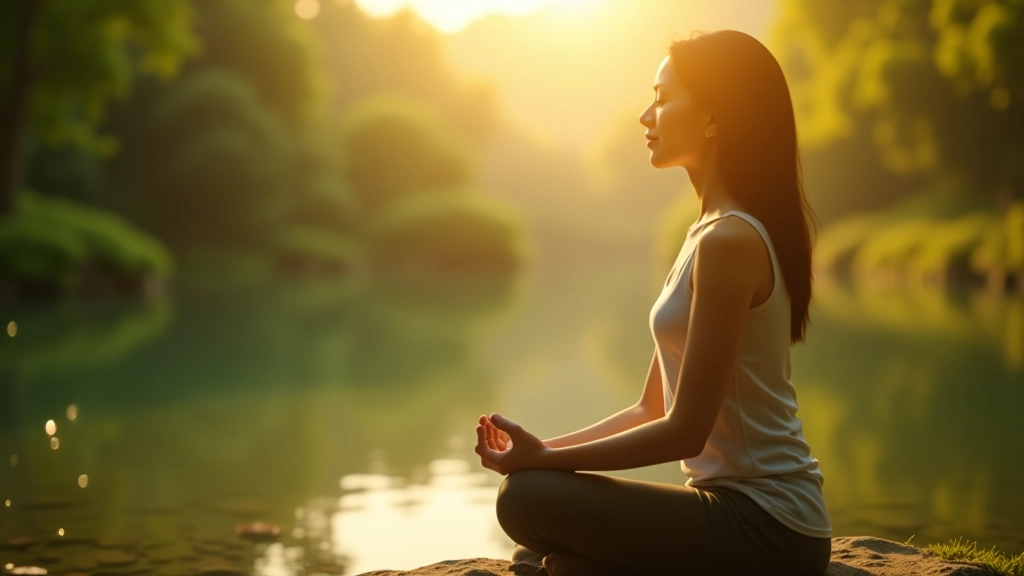
Person meditating outdoors in a peaceful natural setting with morning sunlight, seated on a meditation cushion with trees and water visible in background
Person practicing moving meditation or tai chi in a bright indoor studio space with wooden flooring and large windows

Movement-Based Meditation: For the Restless Mind

Some brains just won’t sit still. If you’re that person—welcome. You’re not broken. You might actually thrive with moving meditation. Tai chi, qigong, walking meditation, and even slow yoga all count. You’re meditating while your body’s in motion.

Walking meditation works like this: You pick a path (indoors or outside), walk slowly, and focus completely on the sensation of each step. The feel of your foot touching ground. The movement of your legs. When your mind drifts to your to-do list, you gently bring it back to the walking. It takes 15-20 minutes and feels less “woo” than sitting meditation for a lot of people.

Tai chi is a Chinese martial art that’s basically meditation in slow motion. You’re learning choreographed movements, concentrating fully on form and balance. Many people find it more engaging than sitting because your hands and body are involved. Classes in Hong Kong are widely available and they’re welcoming to beginners. Three 30-minute sessions per week will show real results in stress reduction and flexibility.

Quick Techniques You Can Use Right Now

4-7-8 Breathing

Breathe in for 4 counts, hold for 7, exhale for 8. Activates your nervous system’s calming response. Takes 2 minutes. Do this when you’re stuck in traffic or before a difficult conversation.

Body Scan

Mentally scan from your toes to the top of your head, noticing tension. Release what you find. Works best lying down. Takes 10-15 minutes before bed and improves sleep quality.

Loving-Kindness

Silently repeat “May I be happy, may I be healthy” for yourself, then others. Builds emotional resilience. Takes 5-10 minutes. Helps with self-criticism and resentment.

Visualization

Picture a calm place in vivid detail. Engage all senses—sounds, smells, textures. Your brain responds as if you’re actually there. Takes 10-20 minutes and genuinely lowers stress hormones.

Important Note

This article is educational information about meditation techniques and stress relief approaches. It’s not a substitute for professional medical or mental health advice. If you’re dealing with anxiety, depression, or other mental health concerns, speak with a qualified healthcare provider. Meditation is a helpful tool that works best alongside professional care when needed, not as a replacement for it.

Getting Started: The Real Path Forward

You don’t need to pick the “perfect” technique right away. Start with whatever sounds least intimidating. If guided meditation appeals to you, download an app and commit to one 10-minute session daily for two weeks. If sitting still sounds impossible, try a walking meditation around your neighborhood instead. If you’re drawn to the structure, look into local tai chi classes.

What matters is consistency over intensity. Ten minutes every day beats 60 minutes once a month. After three weeks, you’ll notice the shift. Sleep gets easier. Irritating things don’t rattle you as much. You’re not thinking about stress relief—you’re just living with less stress. That’s when you’ll understand why people come back to meditation, year after year. It actually works.

The practice isn’t about achieving some blissful state. It’s about training your nervous system to handle pressure differently. And that skill? That translates to every part of your life—work, relationships, health, all of it. Start today. Pick one technique. Give it three weeks. You’ve got this.